*This course has been approved for 64 hours of continuing education credit in jurisdictions that recognize RACE approval.
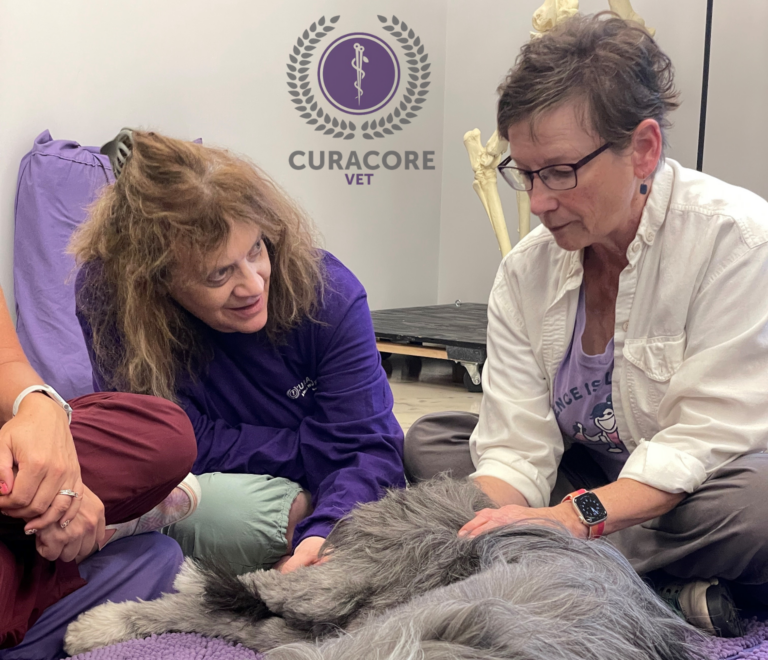
In this course, participants will learn a unique blend of sports massage, range of motion exercises, soft tissue mobilization and gentle stretching techniques, in addition to learning conformation assessment and gait analysis. The course emphasizes proper and safe techniques, all anatomically referenced. It stresses ethics and underlines marketing and documentation to accentuate working within the professional canine industry. A mixture of class lectures with plenty of hands-on practice time – including clay-building anatomy exercises, canine skeletons, illustrations and live dogs – ensures a quality education with the proper supervision to learn the modalities properly.
The course is specifically designed for those students wishing to continue their education in the professional world as well as for their own personal development and growth in the canine industry. It is also targeted and formatted for veterinarians, physical therapists, human massage therapists, trainers and chiropractors who wish to enhance their skills or further their education. After completing the onsite course and required fieldwork (externship), the student will be able to apply a complete massage/bodywork session as a professional with confidence.
Externship:
There’s an additional 100 hours of guided study once the student leaves the class. Participants complete 20 massage sessions on at least 5 different dogs using all of the massage techniques and stretching exercises as well as the documenting techniques taught in the class. There is also a home study portion on muscle function, muscle identification, point location and gait assessment required to enhance the material that is taught and presented in the class. Once this is completed a video is sent by the student to EquiLearn to review, evaluate and expand the student’s work.
This is an intense course. Students attend class daily from 8:30am-5:00pm and have an additional 3 hours of evening studies. Day 5 is spent out-of-class for independent study.
Vocabulary:
- Anatomy vocabulary
- Directional terms
- Veterinary terms
Skeletal structure:
- Form and function
- Thoracic appendicular system
- Pelvic appendicular system
- Axial skeletal system
- Conformation
- Typical canine orthopedic conditions
- Injury
- Surface anatomy landmark identification
- Palpation skills
Muscle structure:
- Function and form
- Palpation & rudimentary evaluation skills
- Locating and isolating muscles
- Injury
- Deep muscles
- Superficial muscles
- Cause of muscle damage
- Causes of various problems
Massage and Bodywork:
- Safety rules
- Basic strokes
- Theory and application of the massage strokes
- Contraindications
- Body mechanics for the worker
- Follow-up exercises
- Gentle stretches
- Handling during the session
Assessment:
- History
- Documentation
- Creating documents for the owners
- Gait abnormalities
- Subjective conformation
- Typical neurological canine conditions
- Canine behavior
- Handling skills
- Gait analysis
- Range of motion analysis and exercises
Business:
- Marketing
- Work ethics
- Veterinary ethics
- Creating forms
You must be registered for the CN3005 Canine Anatomy and Behavior Distance Study course prior to signing up for the CN3000. We expect students to spend at least 100 hours reviewing the content, as a knowledge of directional terms, veterinary vocabulary and anatomy is required.
While the final exam for the CN3005 does not need to be finished before attending the CN3000, it must be completed before the Caninology® Canine Body Worker certificate is released.
If you have a thorough understanding of this material (especially those professionals already in the healthcare industry such as veterinarians), please contact the office to clear this prerequisite.
Required Text:
Course Materials (included in tuition):
Course Workbook
Course Handouts
Externship (included in tuition):
Externship Grading (Case Studies and Visual Presentations)
Narda G. Robinson,
DO, DVM, MS, CRPM, FAAMA
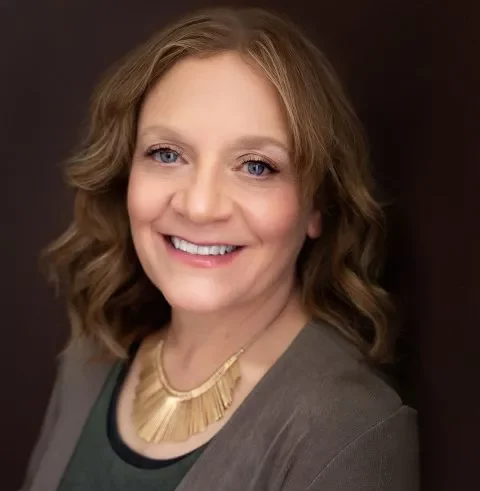
Dr. Robinson is a leading authority on scientific integrative medicine from a One Health perspective. She served as faculty at the Colorado State University College of Veterinary Medicine and Biomedical Sciences (1997-2016) and currently leads CURACORE VET as founder and CEO. A prominent influencer on scientific integrative medicine in both veterinary and human medicine, Dr. Robinson has cultivated her expertise over 20 years of experience teaching, practicing, and researching topics such as medical acupuncture, medical massage, photomedicine, small animal integrative rehabilitation and physical medicine, and botanical therapy.
Dr. Robinson’s credentials include:
– Bachelor of Arts (AB) –Harvard/Radcliffe
– Doctorate in Veterinary Medicine (DVM)
– Doctorate in Osteopathic Medicine (DO) –Texas College of Osteopathic Medicine
– Biomedical Sciences Master’s Degree (MS) –Colorado State University College of Veterinary Medicine and Biomedical Sciences
– Certified in Integrative Rehabilitation and Physical Medicine (CRPM)
– Fellow and former member of the Board of Directors of the American Academy of Medical Acupuncture
– Serves on the American Board of Medical Acupuncture
Rhonda Reich, MA, LMT
Rhonda is a 1982 graduate of the Boulder College of Massage Therapy. She has spent most of these years as a massage instructor and has worked at a number of different colleges which has allowed for an extensive oversight of massage education. Rhonda created and initiated many different facets of massage curriculum. Rhonda has co-taught the Medical Massage for Animals course with Dr. Narda Robinson since 2009, held by CuraCore VET.
She has been a dedicated Canine and Equine Massage Therapist for the last 20 years. She established an International Canine Massage program as well as an Equine educational program for the Lexington Healing Arts Academy in conjunction with The Kentucky Horse Park. After many years in Colorado she moved to Lexington Kentucky, for 5 years, Horse Capital of The World, to massage horses in many disciplines from all over the country. She currently resides in Longmont Colorado, is a massage instructor and maintains a private practice “Happy Tails” for humans and their animal companions.
A $300 deposit is required to hold your spot in a course – the remainder of the tuition is due at least 30 days prior to the course start date. The $300 deposit is nonrefundable and nontransferable, and is credited to the total tuition for the course. Confirmation letters, course outlines, required pre-study (if applicable), directions and lodging options will be sent when the $300 deposit has been received.
*This course has been approved for 64 hours of continuing education credit in jurisdictions that recognize RACE approval.
In this course, participants will learn a unique blend of sports massage, range of motion exercises, soft tissue mobilization and gentle stretching techniques, in addition to learning conformation assessment and gait analysis. The course emphasizes proper and safe techniques, all anatomically referenced. It stresses ethics and underlines marketing and documentation to accentuate working within the professional canine industry. A mixture of class lectures with plenty of hands-on practice time – including clay-building anatomy exercises, canine skeletons, illustrations and live dogs – ensures a quality education with the proper supervision to learn the modalities properly.
The course is specifically designed for those students wishing to continue their education in the professional world as well as for their own personal development and growth in the canine industry. It is also targeted and formatted for veterinarians, physical therapists, human massage therapists, trainers and chiropractors who wish to enhance their skills or further their education. After completing the onsite course and required fieldwork (externship), the student will be able to apply a complete massage/bodywork session as a professional with confidence.
Externship:
There’s an additional 100 hours of guided study once the student leaves the class. Participants complete 20 massage sessions on at least 5 different dogs using all of the massage techniques and stretching exercises as well as the documenting techniques taught in the class. There is also a home study portion on muscle function, muscle identification, point location and gait assessment required to enhance the material that is taught and presented in the class. Once this is completed a video is sent by the student to EquiLearn to review, evaluate and expand the student’s work.
This is an intense course. Students attend class daily from 8:30am-5:00pm and have an additional 3 hours of evening studies. Day 5 is spent out-of-class for independent study.
Vocabulary:
- Anatomy vocabulary
- Directional terms
- Veterinary terms
Skeletal structure:
- Form and function
- Thoracic appendicular system
- Pelvic appendicular system
- Axial skeletal system
- Conformation
- Typical canine orthopedic conditions
- Injury
- Surface anatomy landmark identification
- Palpation skills
Muscle structure:
- Function and form
- Palpation & rudimentary evaluation skills
- Locating and isolating muscles
- Injury
- Deep muscles
- Superficial muscles
- Cause of muscle damage
- Causes of various problems
Massage and Bodywork:
- Safety rules
- Basic strokes
- Theory and application of the massage strokes
- Contraindications
- Body mechanics for the worker
- Follow-up exercises
- Gentle stretches
- Handling during the session
Assessment:
- History
- Documentation
- Creating documents for the owners
- Gait abnormalities
- Subjective conformation
- Typical neurological canine conditions
- Canine behavior
- Handling skills
- Gait analysis
- Range of motion analysis and exercises
Business:
- Marketing
- Work ethics
- Veterinary ethics
- Creating forms
You must be registered for the CN3005 Canine Anatomy and Behavior Distance Study course prior to signing up for the CN3000. We expect students to spend at least 100 hours reviewing the content, as a knowledge of directional terms, veterinary vocabulary and anatomy is required.
While the final exam for the CN3005 does not need to be finished before attending the CN3000, it must be completed before the Caninology® Canine Body Worker certificate is released.
If you have a thorough understanding of this material (especially those professionals already in the healthcare industry such as veterinarians), please contact the office to clear this prerequisite.
Required Text:
Course Materials (included in tuition):
Course Workbook
Course Handouts
Externship (included in tuition):
Externship Grading (Case Studies and Visual Presentations)
Narda G. Robinson,
DO, DVM, MS, CRPM, FAAMA
Dr. Robinson is a leading authority on scientific integrative medicine from a One Health perspective. She served as faculty at the Colorado State University College of Veterinary Medicine and Biomedical Sciences (1997-2016) and currently leads CURACORE VET as founder and CEO. A prominent influencer on scientific integrative medicine in both veterinary and human medicine, Dr. Robinson has cultivated her expertise over 20 years of experience teaching, practicing, and researching topics such as medical acupuncture, medical massage, photomedicine, small animal integrative rehabilitation and physical medicine, and botanical therapy.
Dr. Robinson’s credentials include:
– Bachelor of Arts (AB) –Harvard/Radcliffe
– Doctorate in Veterinary Medicine (DVM)
– Doctorate in Osteopathic Medicine (DO) –Texas College of Osteopathic Medicine
– Biomedical Sciences Master’s Degree (MS) –Colorado State University College of Veterinary Medicine and Biomedical Sciences
– Certified in Integrative Rehabilitation and Physical Medicine (CRPM)
– Fellow and former member of the Board of Directors of the American Academy of Medical Acupuncture
– Serves on the American Board of Medical Acupuncture
Rhonda Reich, MA, LMT
Rhonda is a 1982 graduate of the Boulder College of Massage Therapy. She has spent most of these years as a massage instructor and has worked at a number of different colleges which has allowed for an extensive oversight of massage education. Rhonda created and initiated many different facets of massage curriculum. Rhonda has co-taught the Medical Massage for Animals course with Dr. Narda Robinson since 2009, held by CuraCore VET.
She has been a dedicated Canine and Equine Massage Therapist for the last 20 years. She established an International Canine Massage program as well as an Equine educational program for the Lexington Healing Arts Academy in conjunction with The Kentucky Horse Park. After many years in Colorado she moved to Lexington Kentucky, for 5 years, Horse Capital of The World, to massage horses in many disciplines from all over the country. She currently resides in Longmont Colorado, is a massage instructor and maintains a private practice “Happy Tails” for humans and their animal companions.
A $300 deposit is required to hold your spot in a course – the remainder of the tuition is due at least 30 days prior to the course start date. The $300 deposit is nonrefundable and nontransferable, and is credited to the total tuition for the course. Confirmation letters, course outlines, required pre-study (if applicable), directions and lodging options will be sent when the $300 deposit has been received.